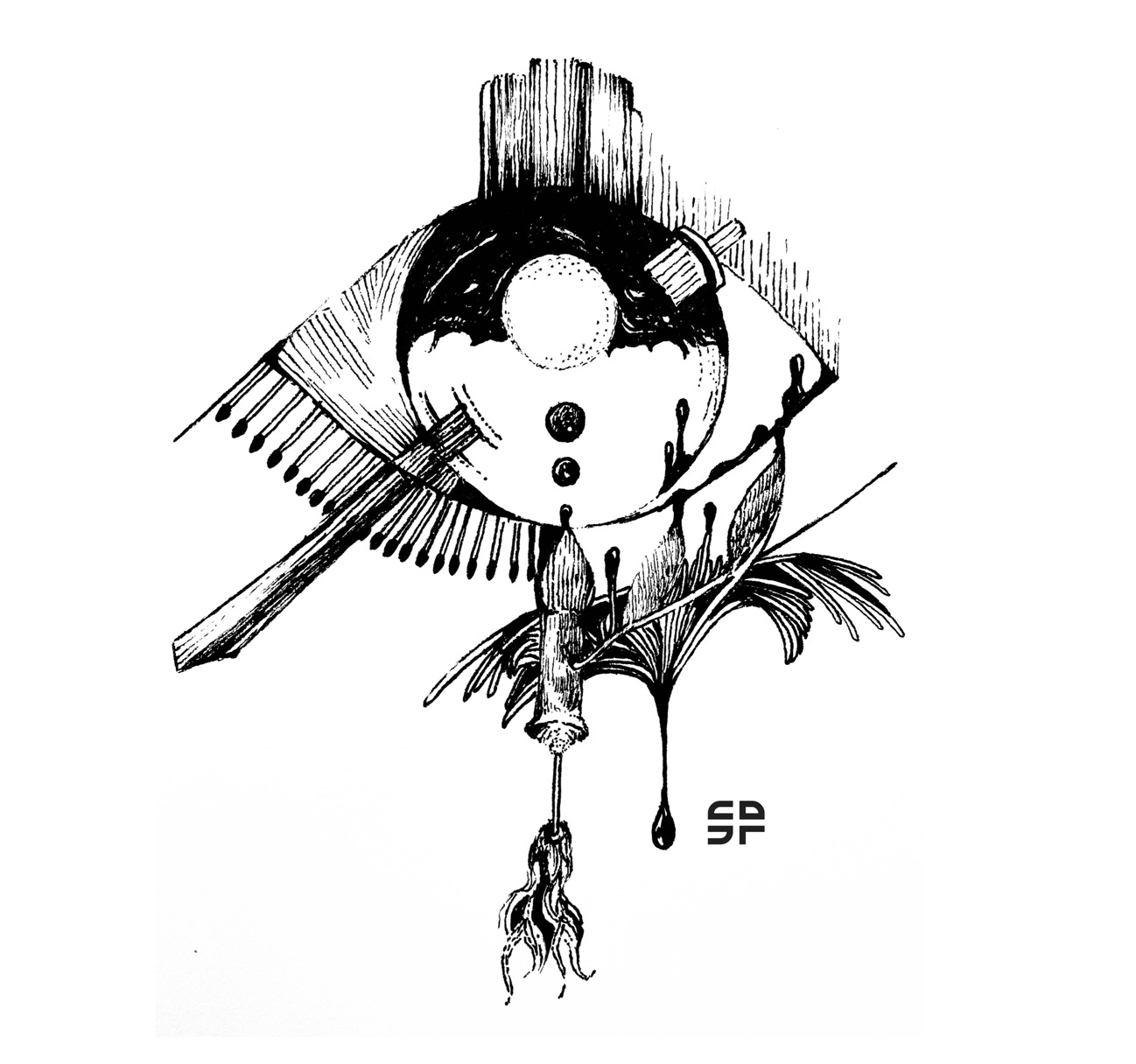
When You Are Not Seen
A "Sunday Reflections" Series

There are moments when you realize you are standing inside a system that does not fully see you. Not in a loud or obvious way, but quietly. Through tone. Through assumption. Through the subtle suggestion that your presence is a favor rather than a force.
It’s a familiar feeling for many women. You come prepared. You bring years of lived experience, earned access, creative rigor, and relational depth. And still, things are explained to you that you already know. Your work is summarized instead of witnessed. Your contribution is treated as supplemental rather than essential.
What makes these moments particularly disorienting is that they often arrive wrapped in politeness. In encouragement. In support. Which can make you question your own perception. You wonder if you’re being too sensitive, or if you should simply be grateful to be included at all.
I’ve learned that this questioning is often the first place we give our power away.
Being unseen does not mean you are invisible. It means the lens in the room is limited.
I’ve watched extraordinary women navigate these moments with grace and restraint. Women who have walked paths of initiation most people never touch. Women who carry relationships, trust, and access that cannot be rushed or bought. Women whose work is powerful precisely because it is embodied and earned over time.
When that depth is missed, the invitation is not to prove or perform. It is to clarify. To name the exchange. To say, calmly and without defensiveness, this is not charity, this is collaboration.
There is something deeply stabilizing about choosing not to over-explain your worth. About letting your work speak, and when needed, speaking on its behalf.
Many women I know are standing at this threshold right now. In creative partnerships. In institutions. In rooms that are still learning how to recognize authority when it doesn’t arrive through dominance or certainty, but through listening, relationship, and care.
If you’ve felt this too, consider this a reminder. You do not need to become louder to be powerful. You do not need to become harder to be taken seriously. You do not need to accept imbalance in order to stay in the room.
Sometimes the most honest thing you can do is see yourself clearly, and invite others to rise to that seeing. And if they cannot, to trust that walking away is not a failure, but a form of integrity.